
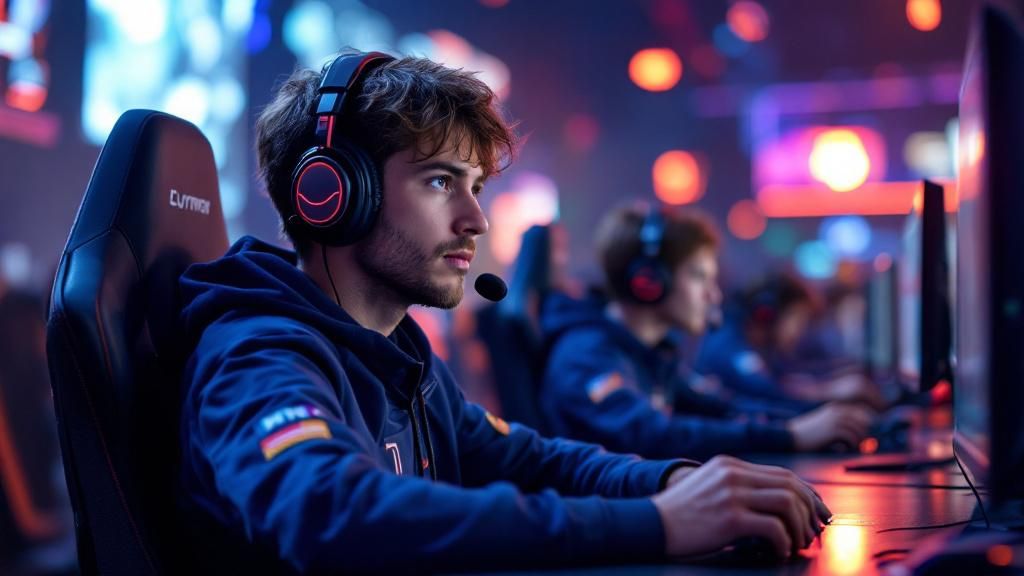
The esports industry has advanced substantially in prioritising competitor wellbeing. Leading esports bodies have jointly unveiled a extensive competitor welfare framework, tackling longstanding concerns about mental wellbeing, labour conditions, and just treatment within professional gaming. This landmark initiative represents a critical juncture for esports legitimacy, setting foundational safeguards that could reshape how the industry operates. We explore the framework’s key provisions, the entities leading this transformation, and what it means for competitors and the esports ecosystem going forward.
Sector-Wide Dedication to Player Wellbeing
The coordinated partnership between leading esports organisations marks a significant milestone for athlete safeguarding within esports competition. This cohesive approach demonstrates the sector’s real dedication to creating lasting protocols that emphasise player health alongside competitive excellence. By combining knowledge and capabilities, these organisations have developed detailed frameworks addressing physical health, psychological wellbeing, and professional security. The programme demonstrates growing recognition that player welfare directly influences performance quality and professional lifespan, making it essential for the sport’s credibility and growth.
Tournament organisers have recognised that past requirements were scattered and uneven, leaving players vulnerable to abuse and fatigue. The new framework establishes consistent standards among principal events, making certain each professional player gets fair consideration and connection to crucial welfare resources. This coordinated approach eradicates unequal conditions resulting from differing safeguards and sets fair competition standards. Industry experts stress that these standards form essential foundations, encouraging organisations to surpass fundamental requirements and build authentically nurturing spaces where competitors can excel in career and personal development.
Core Features of the Social Support Framework
The recently created welfare framework includes various interrelated pillars intended to protect player interests comprehensively. These components cover mental wellbeing assistance, physical wellbeing, equitable employment terms, and clear dispute handling mechanisms. By integrating these elements, tournament organisers strive to create a holistic approach that recognises esports athletes as professional athletes warranting comprehensive protections. The framework defines baseline requirements that all affiliated tournaments need to establish, ensuring consistent player safeguards across the professional gaming environment.
Mental Wellbeing Assistance Programmes
Understanding the mental health challenges inherent in esports at a professional level, the framework mandates access to mental health specialists for every competing player. Tournament organisers must provide confidential psychological support, either directly or through partnerships with accredited mental health professionals. This provision covers stress reduction, anxiety management support, and emergency intervention services. Players gain access to qualified psychologists who understand esports-specific challenges, such as digital harassment, high-level competitive stress, and career uncertainty.
The framework also mandates tournaments to establish psychological awareness schemes and destigmatisation initiatives within the community. Organisers must educate players, coaches, and staff about spotting wellbeing issues and obtaining appropriate support. Ongoing assessments and health surveillance programmes enable identify struggling players at an early stage, enabling preventative measures before situations escalate into severe mental health emergencies.
Physical Health Requirements
Tournament operators must establish comprehensive physical health standards tackling ergonomics, recovery intervals, and healthcare monitoring. The framework mandates appropriate chairs, screen placement, and rest periods to minimise repetitive strain injuries common among esports professionals. Clinical personnel must be on-site at large-scale competitions to handle acute health issues, whilst organisers are obliged to give advice about harm prevention and appropriate healthcare resources for long-term player development.
Environmental factors at tournament facilities are now governed by strict standards guaranteeing player wellbeing and safety. Regulations encompass temperature control, lighting standards, and noise levels to deliver optimal competitive conditions. Additionally, the framework promotes players to complete periodic health checks and provides guidance on nutrition, sleep hygiene, and exercise routines vital to sustained competitive excellence in esports.
- Ergonomic equipment assessments performed by certified experts
- Mandatory rest periods between matches preventing athlete fatigue
- On-site medical staff present throughout tournament proceedings
- Injury prevention training and recovery programme availability
- Wellness tracking systems monitoring athlete health across the year
Rollout Schedule and Requirements
The framework will be deployed in three different phases, beginning immediately with foundational reviews across participating organisations. Tournament operators have agreed to completing first audits of their existing operations by the first quarter deadline, pinpointing differences between present frameworks and the revised guidelines. This preliminary stage ensures a thorough understanding of each organisation’s current standing before introducing significant modifications. Subsequent phases will involve employee development, guideline amendments, and the creation of external compliance frameworks to ensure adherence and responsibility throughout the competitive gaming sector.
The standards themselves encompass mandatory provisions covering mental health support, practical training timetables, and clear prize allocation procedures. Each organisation is required to appoint a specialist player welfare representative tasked with handling grievances and ensuring adherence to guidelines. Regular audits, performed by third-party bodies, will confirm adherence and identify areas requiring improvement. These comprehensive measures create quantifiable standards for competitor welfare, with compliance procedures including pecuniary fines and possible competition restrictions for organisations failing to meet required standards.
Industry Response and Future Outlook
The declaration has received considerable endorsement from stakeholders across the esports ecosystem. Player unions have commended the framework as a necessary step towards professionalising the industry, whilst organisation proprietors and commercial partners appreciate the potential for enhanced credibility and long-term viability. Gaming equipment manufacturers and broadcast services have undertaken to incorporate player welfare into their day-to-day activities, reflecting a unified resolve to structural reform. Initial signs indicate that regulatory bodies and public sector leaders regard the standards with approval, potentially paving the way for formal legal recognition of competitive gaming as a legitimate professional sector.
Looking ahead, industry observers anticipate that this framework will serve as a template for global adoption, with regional competitions and grassroots events expected to adopt similar guidelines. The programme is likely to encourage continued dialogue regarding athlete remuneration, career development pathways, and mental health resources. As esports undergoes rapid expansion, these player protections constitute a vital protection mechanism ensuring that competitive gaming stays sustainable, welcoming, and considerate for all participants, ultimately strengthening the industry’s standing as a legitimate competitive sector.
